Lily was born on 23 September 2013. For her first six months she seemed to be developing typically. She smiled early and nibbled her toes, and did all the things babies do.
Then things changed. When we started her on solid food she became distressed. She wouldn’t touch food and couldn’t organise herself to swallow.
By ten months she had fallen behind. She was still only breastfed, and now she refused the bottle. She needed support to sit. She didn’t babble, imitate or gesture. Her movement and communication had stopped developing.
Our paediatricians suggested waiting until her first birthday for a hearing test. We didn’t want to wait. We pushed for the test straight away, and for referrals to feeding and developmental specialists.
Her hearing and eyesight were fine. On our second visit to a neurologist at Brussels University Hospital, we were told that something wasn’t quite right and that her future was uncertain.
Over the following months Lily saw neurologists and specialists in several hospitals and centres. She was tested for a long list of genetic and degenerative conditions. Her EEG, MRI and genetic tests all came back normal. That was a relief, but it still didn’t tell us the cause. After several assessments she was diagnosed with developmental delay and severe autism.
At 16 months she could barely sit unsupported and was losing weight. Doctors strongly recommended a feeding tube. After some late-night searching I found a medication that increased my milk supply, and asked our doctor to prescribe it. It worked, and it bought us time.
For the next seven months Lily had feeding therapy, physiotherapy and occupational therapy, and we tried a range of other approaches. None of it seemed to reach her. She cried through physiotherapy and wouldn’t take part. At home she showed no interest in moving. It was as if she didn’t know that movement was possible.
Finding NeuroMovement
When she was 18 months old I came across Anat Baniel’s book Kids Beyond Limits and the Anat Baniel Method, now called NeuroMovement. The thinking behind it made sense to me, and I took Lily for a first intensive of ten lessons.
- On day 3 she began moving between positions: into sitting, onto hands and knees.
- By the end of that first week she pulled herself up to standing, after seven months in which nothing had moved.
- A month later she was crawling and cruising along the furniture.
- The month after that, she began to eat.
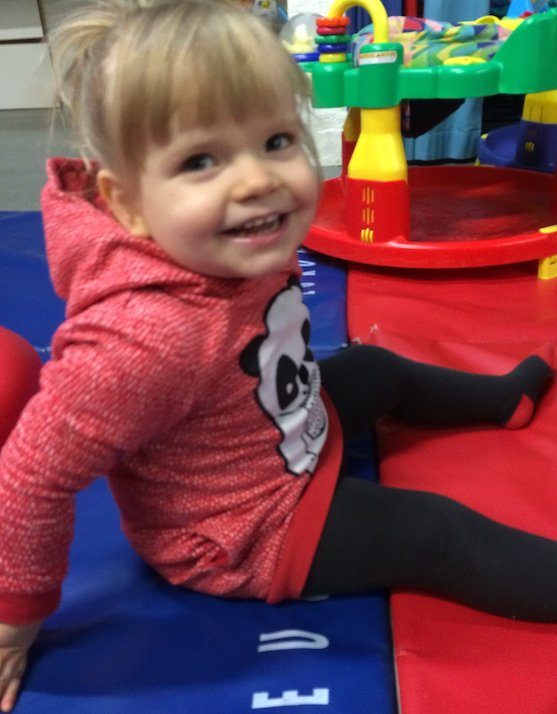
In ten days she changed more than she had in the previous seven months. We stopped her other therapies and carried on with NeuroMovement.
Each series of lessons brought something new, and small changes often showed up during a lesson or just after. After one series she lost her fear of bath time and began to love splashing and having her hair washed. After another six lessons she said “m” and “n” for the first time, and new sounds followed.
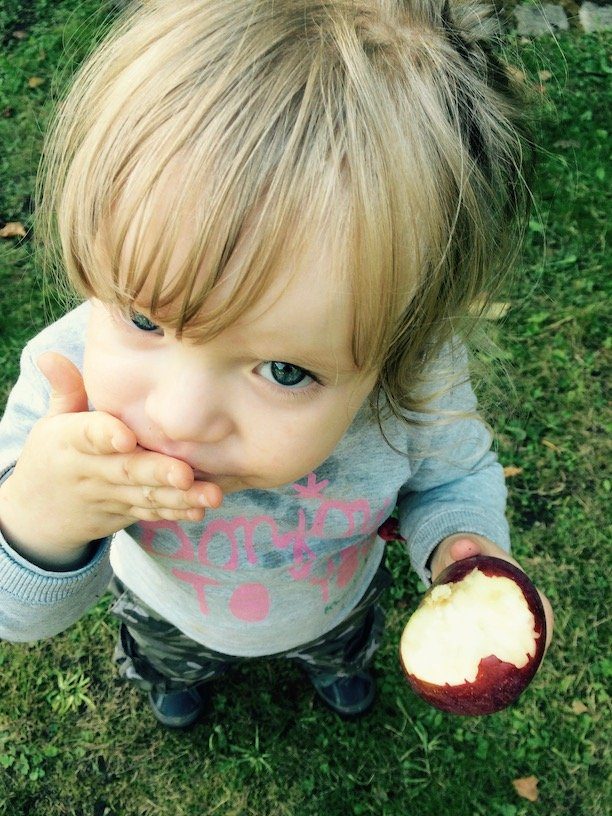
Lily in 2017
By 2017 her autism diagnosis had been revised from severe to moderate, and her sensory and food aversions were gone. She was:
- walking, climbing and jumping
- imitating and starting imaginative play
- babbling and chattering (a lot)
- communicating with sounds and gestures, and using her first words
- counting to three
- feeding herself, floating in the bath, taking turns
- giving hugs and kisses, looking through books, singing, dancing and twirling
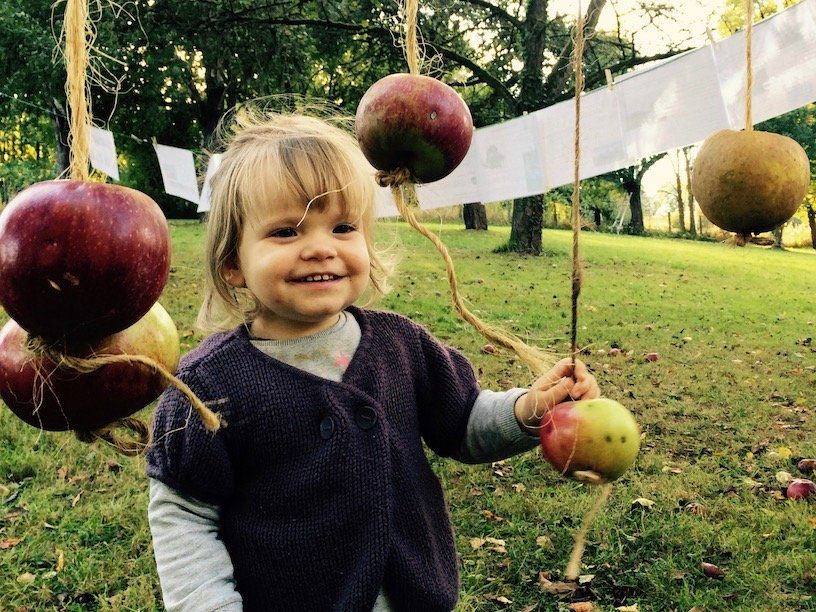
She was cautious and curious, careful and brave, playful and thoughtful.
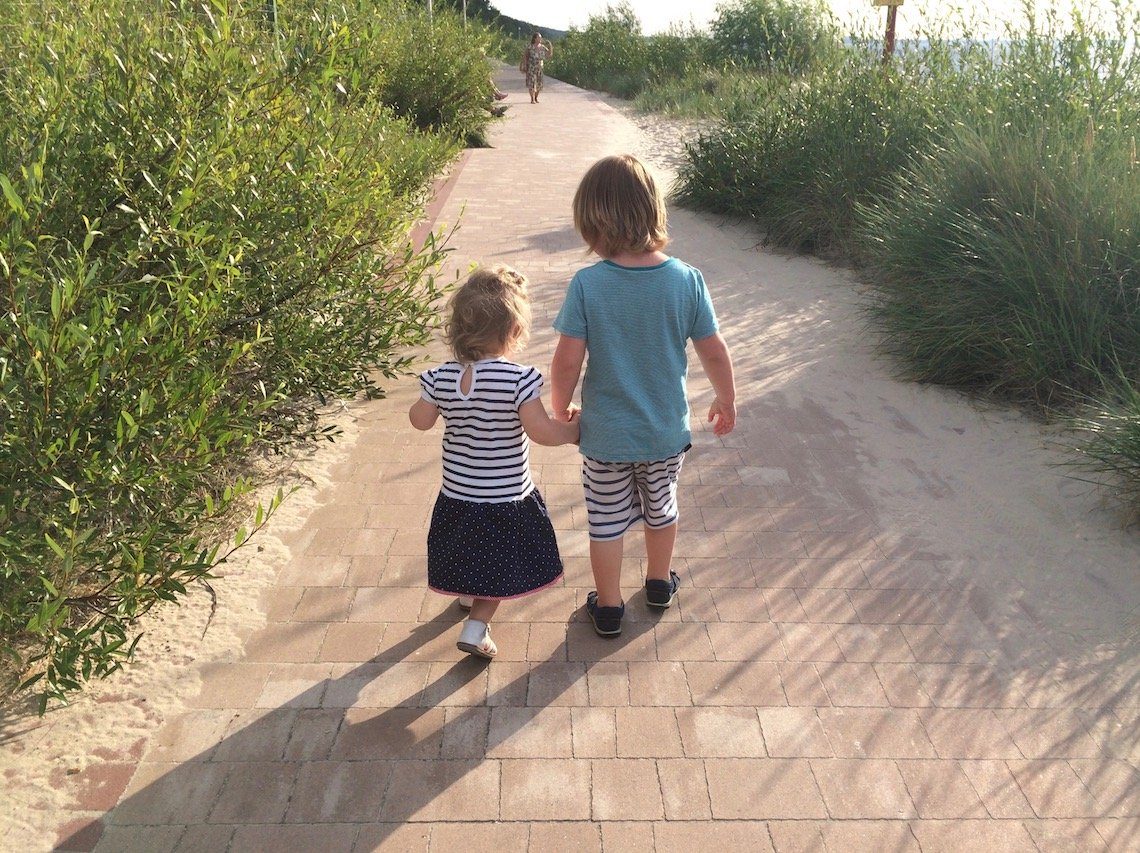
Seeing what NeuroMovement did for Lily, and for other children I met along the way, is what led me to train as a practitioner.
The answer, in 2022
For years the tests had nothing to say. Her EEG and MRI were normal. Her genetic tests in 2017 were normal too. “Developmental delay and autism” was as far as anyone could take us, and we got on with living.
In 2022 we changed hospitals. Testing again after a few years is the standard advice, and a friend put me in touch with a new geneticist. She told me there were new tests now, and new things to test for. It was worth looking again.
Lily had also given us more to go on. Some things about her simply couldn’t be seen in a baby. By then they could, and they narrowed the search. The geneticist knew where to look.
The answer was SYNGAP1, a change in a single gene.
A diagnosis describes a child. It doesn’t decide what she can still learn. Lily was the same girl after the diagnosis as before it, and she kept learning, in her own time and rarely in the order anyone expected. What the name gave us was something to search for. Four years later, the first trial of a medicine for SYNGAP1 is opening. I wrote about that, and about why learning matters more than ever, in The first SYNGAP1 treatment trial.
Ness